 Skip to content
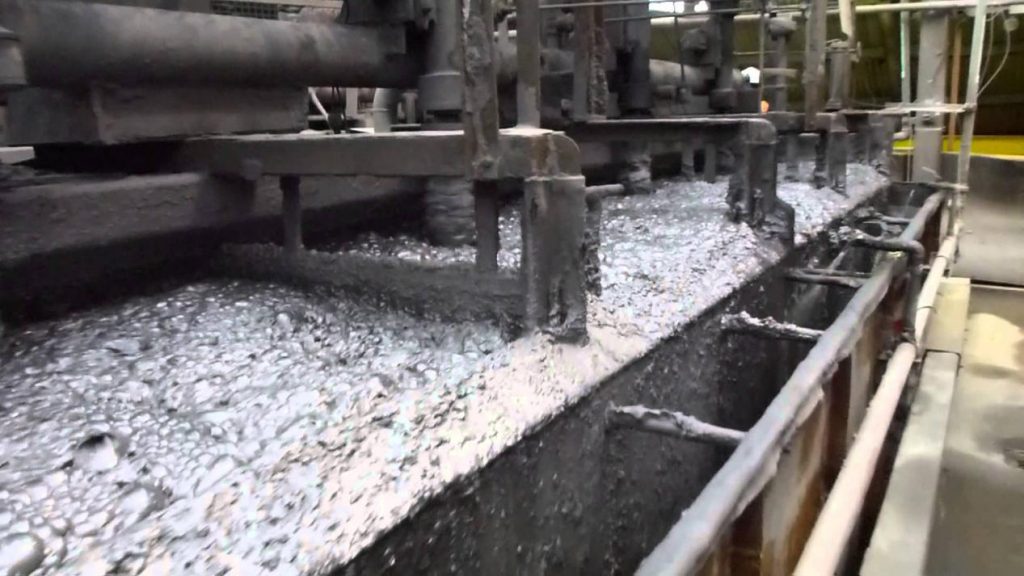
 In mineral processing, flotation frothing agents play a crucial role in the flotation process. These chemicals reduce the surface tension of water, stabilize bubbles, and create a foam layer that allows valuable minerals to attach to bubbles and rise to the surface.
By controlling the bubble size, stability, and foam persistence, frothing agents directly influence flotation efficiency, recovery rate, and mineral separation performance.
What Are Frothing Agents in Flotation?
Frothing agents are chemical reagents used in froth flotation systems to produce and stabilize foam. The foam layer formed during flotation provides a medium for mineral particles to attach to air bubbles and separate from unwanted materials.
The performance of frothing agents affects several key aspects of flotation, including:
- Bubble formation and size distribution
- Foam stability and persistence
- Selectivity of mineral separation
- Recovery efficiency of valuable minerals
Based on their origin and chemical composition, flotation frothers are generally classified into natural frothers, synthetic frothers, and industrial by-product frothers.
1. Natural Frothing Agents
Natural frothers are derived from plant-based oils and organic materials. Although they were widely used in early flotation operations, they are now more common in specific or small-scale applications.
Turpentine
Turpentine contains α-terpineol, a compound that produces relatively fine bubbles during flotation. However, its foam stability is relatively low, making it more suitable for coarse particle flotation.
Eucalyptus Oil
Eucalyptus oil offers moderate foaming ability and relatively simple application. It is often used in small-scale flotation plants or operations requiring mild frothing conditions.
In many mining operations, specialized flotation oils such as No. 2 oil are used to meet the needs of most domestic flotation systems.
2. Synthetic Frothing Agents
Synthetic frothers are the most widely used flotation reagents in modern mineral processing plants. These chemicals offer improved control over foam structure and flotation performance.
Ether Alcohols
One of the most common synthetic frothers is methyl isobutyl carbinol (MIBC). MIBC produces stable and controllable foam, making it a mainstream frother in flotation plants worldwide.
Key advantages include:
- Stable bubble formation
- Easy foam control
- High flotation efficiency
High-purity MIBC with content above 99.5% meets international quality standards and is widely used by mining companies around the world.
Polyethylene Glycol Ethers
Polyethylene glycol ether frothers, such as the Dowfroth™ series, are known for their wide pH adaptability and excellent stability.
These frothers are particularly effective in flotation systems involving complex mineral pulp compositions.
Ester Frothers
Ester-based frothers like diethyl phthalate (DEP) provide strong foam persistence and are suitable for the flotation of fine-grained minerals.
Their long-lasting foam stability makes them valuable for processing difficult ores.
3. Industrial By-Product Frothing Agents
Some flotation operations use industrial by-products as cost-effective frothers.
Fusel Oil
Fusel oil is a mixture of C6–C8 alcohols produced as a by-product of fermentation processes.
Advantages include:
- Low cost
- Easy availability
However, fusel oil produces relatively fragile foam, so it is often used in combination with other flotation reagents to achieve stable froth performance.
Specialized Frothers for High-Temperature Flotation
In certain mining environments, such as operations with high pulp temperatures, conventional frothers may lose effectiveness.
Specialized flotation agents like BXF1760 are designed to maintain stable froth performance under high-temperature pulp conditions, ensuring safe and reliable flotation operations.
Conclusion
Frothing agents are essential chemicals in the froth flotation process, helping to control bubble formation and stabilize the foam layer that carries valuable minerals to the surface. Natural frothers such as turpentine and eucalyptus oil are still used in some applications, while synthetic frothers like MIBC and polyethylene glycol ethers dominate modern mineral processing due to their stability and controllability.
Additionally, industrial by-products such as fusel oil offer cost-effective alternatives when used in combination with other reagents. Selecting the right frothing agent based on ore characteristics, pulp conditions, and flotation requirements is crucial for achieving optimal mineral recovery and operational efficiency.
